Entry · Ref XXANVVK7
Brain Injury Lawyer Denver: Common Causes of Traumatic Brain Injuries
- Posted
- 2026-11-16
- Last amended
- 2026-11-16
- Account
- @codylhik827
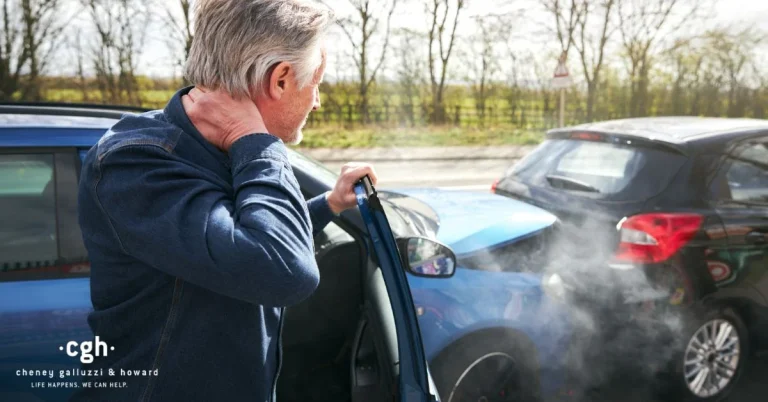

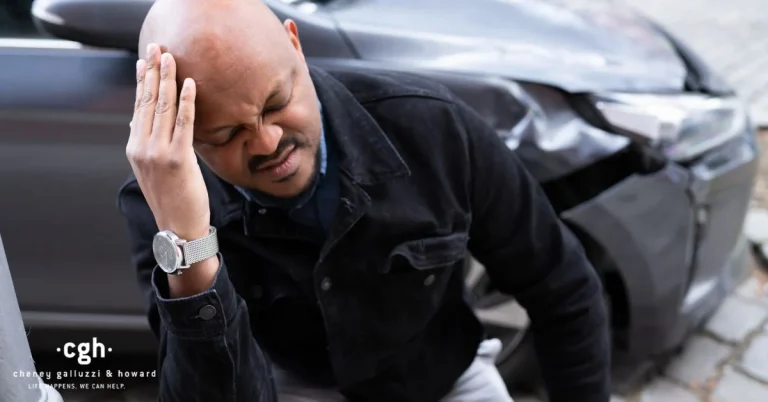
A traumatic brain injury can begin with a single violent second and then unfold over months or years. What makes these cases especially difficult is that the harm is often not obvious at the scene. A person may walk away from a crash, answer questions, decline an ambulance, and assume they are lucky. By evening, they have a pounding headache. A week later, they cannot concentrate at work. A month later, their spouse notices personality changes, irritability, or memory lapses that were never there before.
That gap between the event and the full impact of the injury is one reason brain injury claims are so challenging. Another is that traumatic brain injuries, often called TBIs, do not always leave visible marks. Broken bones show up on imaging. Deep cuts can be photographed. Brain injuries can involve subtle cognitive loss, sensory changes, mood disruption, sleep problems, and fatigue that alter nearly every part of a person’s life while remaining easy for outsiders to underestimate.
For anyone dealing with one of these cases, understanding how traumatic brain injuries happen is more than a medical question. It shapes insurance claims, liability disputes, treatment decisions, and the kind of evidence that matters when legal action becomes necessary. A Brain Injury Lawyer Denver will often begin with the same basic question doctors ask: what exactly happened to the brain, and how did the force occur?
Why the cause matters so much in a brain injury case
The phrase “traumatic brain injury” covers a wide spectrum. It can mean a concussion that resolves with proper care, or a severe injury involving bleeding, swelling, oxygen deprivation, or permanent loss of function. The mechanism of injury helps explain where on that spectrum a case may fall.
A rear-end crash on I-25 may create a whip-like motion that causes the brain to move inside the skull, even without a direct blow to the head. A fall from scaffolding can combine impact, rotational force, and secondary complications from spinal trauma. An assault may involve repeated strikes, loss of consciousness, and delayed emergency treatment. The details matter because the defense and the insurance carrier will study them closely.
In practice, the cause of the injury often drives the legal issues. A motor vehicle collision raises questions about speeding, distraction, impairment, and road conditions. A slip and fall case turns toward property maintenance, notice of dangerous conditions, and whether the hazard should have been fixed. A sports-related injury brings in coaching decisions, return-to-play protocols, supervision, and waiver language. Every setting creates a different liability map.
Car crashes remain one of the leading causes
In Denver, traffic collisions are a common source of brain injury claims. That includes major interstate wrecks, downtown intersection crashes, rideshare collisions, motorcycle impacts, pedestrian strikes, and bicycle accidents. Not every crash that causes a TBI looks catastrophic from the outside. Some of the more serious concussion cases arise from moderate-speed impacts where the occupant’s head never even strikes a window or steering wheel.
The key issue is force. When a vehicle stops abruptly, the brain keeps moving. It can shift and rotate within the skull, stretching delicate tissues and damaging neural connections. That is why people can develop real brain injuries from sudden https://beckettwxcr881.brightpathdigest.com/posts/brain-injury-lawyer-denver-dealing-with-disputed-liability acceleration and deceleration alone.
Rear-end crashes illustrate this point well. Many people think of them as “soft tissue” cases, and some certainly are. But if the collision is strong enough, the rapid back-and-forth motion can lead to concussion symptoms, vestibular problems, blurred vision, headaches, and cognitive slowing. These are not rare complaints in medical records after a serious impact. They are also symptoms insurance companies often challenge, especially when the vehicle damage looks less dramatic than they expected.
Side-impact crashes can be worse in some respects because the body has less space to absorb the force. Occupants are thrown laterally, and the head may strike interior structures or twist sharply. Rollover crashes add another layer of violence, often producing repeated impacts and disorientation. Pedestrians and cyclists, of course, face even greater vulnerability because they have virtually no protection between their body and the vehicle or pavement.
Denver’s changing weather adds to the risk. Snow, ice, early sunset in winter, and sudden spring storms all create visibility and traction problems. A crash that begins as a skidding event can end in a collision severe enough to alter someone’s cognitive functioning for years.
Falls are deceptively dangerous
Falls are among the most underestimated sources of traumatic brain injury. Many people hear “fall” and picture an older adult tripping at home, but brain injuries from falls occur across every age group. Construction workers fall from ladders or roofs. Restaurant employees slip on greasy floors. Shoppers lose footing on wet entryways. Tenants trip on broken steps or poor lighting in apartment complexes. Children fall from playground equipment. Skiers and snowboarders fall on hard-packed snow or collide with obstacles.
In legal cases, falls are often complicated by the fact that witnesses are limited and surveillance footage may be incomplete or overwritten. The injured person may also have patchy memory because of the head trauma itself. That creates a strange reality in litigation: the person most affected by the event is sometimes least able to describe it in sequence.
The medical side can be serious even from what sounds like a simple incident. A direct impact to the back or side of the head can cause concussion, skull fracture, or intracranial bleeding. Older adults are at heightened risk because the brain becomes more vulnerable to bleeding with age, and blood thinners can make even a shorter fall far more dangerous. Yet younger, otherwise healthy adults are not immune. A hard impact onto concrete can produce prolonged post-concussion symptoms, migraines, balance trouble, and difficulty tolerating screens or noise.
Property-related fall cases usually turn on foreseeability and maintenance. Was there ice that should have been cleared? A handrail that had been loose for weeks? A spill left unattended? A stairwell with poor lighting? Those factual details matter, but so does the timing of the medical care. In brain injury claims, delayed diagnosis can become a flashpoint. Insurers may argue the symptoms came from something else if there was no emergency room visit right away. That is one reason prompt evaluation is so important.
Workplace accidents often involve layered injuries
Workplace traumatic brain injuries are especially common in construction, warehousing, transportation, oil and gas support, manufacturing, and jobs involving heights or moving equipment. A worker may be struck by a falling object, thrown from machinery, pinned in a crush event, or knocked down by a vehicle or swinging load.
These cases are rarely clean and simple. Someone may suffer a head injury at the same time as orthopedic trauma, neck injury, back injury, or psychological distress. In real life, injuries overlap. A roofer who falls may have a fractured wrist, herniated discs, and a concussion. A warehouse worker hit by a forklift may deal with headaches, dizziness, and concentration problems while also navigating shoulder surgery and lost wages.
That overlap creates practical problems. The most visible injury often gets the most immediate attention. A bleeding scalp wound or broken leg may dominate the first hours of treatment, while signs of brain injury emerge later. Family members are frequently the first to notice it. They may report that the worker is sleeping constantly, forgetting appointments, becoming short-tempered, or struggling to follow conversations.
Work-related cases may involve workers’ compensation, but some also create third-party liability claims. For example, a negligent subcontractor, property owner, equipment manufacturer, or outside driver may share blame. That distinction matters because workers’ compensation and personal injury claims operate very differently. A Brain Injury Lawyer Denver handling these matters will usually analyze both paths early, since the available damages can vary substantially.
Sports and recreation can lead to lasting harm
Colorado’s outdoor culture brings real benefits, but it also comes with risk. Skiing, snowboarding, mountain biking, climbing, football, soccer, hockey, equestrian sports, and recreational vehicle use all create opportunities for head trauma. Not every sports-related brain injury leads to litigation, but some do, especially when there was negligent supervision, unsafe conditions, poor instruction, defective equipment, or an unreasonable return-to-play decision.
One of the hardest aspects of these cases is public misunderstanding. Many people still use “got your bell rung” language as if a concussion were a trivial inconvenience. It is not. Even a so-called mild traumatic brain injury can derail school, work, and relationships. Students may lose academic ground because reading triggers headaches or concentration has cratered. Adults may find they cannot tolerate meetings, multitask, or commute without symptoms.
Repeated head impacts raise additional concern. The law does not treat every repeat-concussion case the same way, and medicine still contains areas of active study, but from a practical standpoint, a prior history of head trauma often makes a later injury more complicated. Recovery may be slower, symptoms may be broader, and disputes over causation may intensify. Defense lawyers and insurers often focus on prior incidents, not always fairly, in an attempt to shift blame away from the event at issue.
Violence and assaults cause some of the most severe cases
Assault-related brain injuries can be devastating. A punch, kick, shove, or strike with an object can cause the head to hit the ground or another hard surface with tremendous force. Domestic violence cases are especially concerning because survivors may endure repeated trauma over time, sometimes without formal medical records from the earliest incidents. Shame, fear, financial dependence, and safety concerns can all delay treatment and reporting.
The medical consequences can include concussion, facial fractures, hemorrhage, loss of consciousness, and diffuse brain injury. The legal path can be complicated because criminal and civil proceedings may unfold on separate tracks. A criminal case does not automatically compensate the injured person for long-term therapy, lost income, home support needs, or diminished earning capacity.
From a case-building perspective, assault-related TBI claims often rely heavily on medical imaging when available, emergency records, witness statements, and later neuropsychological evidence. They also require sensitivity. Survivors may remember events in fragments, which is common after head trauma and psychological shock. That fragmented memory should not be mistaken for unreliability.
Defective products and unsafe equipment also play a role
Not every brain injury comes from a careless driver or a dangerous property condition. Some arise because a product failed. That might involve a defective helmet, collapsing ladder, poorly designed piece of exercise equipment, unstable furniture, malfunctioning industrial machine, or inadequate child safety device.
Product cases are technically demanding. They often require engineers, accident reconstruction, and careful preservation of the item itself. An injured person who throws away a broken helmet or allows a damaged machine to be repaired too quickly may unintentionally lose key evidence. That is one reason early legal guidance can matter a great deal. Once evidence disappears, it is difficult to recreate.
The challenge in these cases is separating ordinary risk from unreasonable danger. No helmet can prevent every brain injury. No piece of equipment can make all activity safe. The question is whether the product was defectively designed, defectively manufactured, or sold without adequate warnings. That takes work to prove, but when a product failure contributed to a TBI, it should not be overlooked.
The symptoms people miss at first
One of the cruel features of brain injury is that the symptoms often arrive in a scatter rather than a neat pattern. Some show up immediately. Others emerge after the adrenaline fades.
Common early and delayed symptoms can include:
- persistent headache or pressure in the head
- dizziness, nausea, or balance problems
- memory lapses, confusion, or slower thinking
- light sensitivity, noise sensitivity, or blurred vision
- irritability, sleep disruption, or unusual emotional swings
A person does not need every symptom on that list to have a legitimate injury. Nor does loss of consciousness need to occur. Plenty of real concussions happen without a blackout. That point comes up constantly in disputed claims because insurers still act as if a person must have been knocked unconscious for the injury to count. Medicine does not support that simplistic view.
Family observations often become some of the most persuasive evidence. A spouse who says, “He was organized before the crash and now forgets basic tasks,” or a coworker who notes that deadlines started slipping after the incident, may capture the injury in a way a scan cannot. That does not replace medical proof, but it adds context that courts and insurers can understand.
Why diagnosis and documentation are often messy
Brain injuries are not always visible on standard imaging, especially milder concussions. That does not mean the symptoms are imagined. It means diagnosis often depends on the history, neurological examination, symptom progression, and, in many cases, follow-up care with specialists.
This is where claims can become frustrating. A patient feels cognitively slower, develops headaches every afternoon, cannot sleep, and becomes anxious in crowded environments, yet the emergency scan may read as normal. The defense may then imply nothing significant happened. That argument ignores how many brain injuries are diagnosed clinically.
Neuropsychological testing can be helpful, but it is not a magic key. Timing matters. So does effort testing, educational history, language background, prior mental health history, medication use, and sleep quality. Good professionals interpret this information carefully. Weak case analysis tends to treat a single test or note as the whole story.
An experienced Brain Injury Lawyer Denver will usually build these cases through layers of evidence rather than relying on one dramatic piece. Medical records, imaging where available, therapy notes, employment evidence, family testimony, witness accounts, and expert analysis all help create a full picture.
What to do after a suspected traumatic brain injury
The first days after a head injury can shape both recovery and the legal claim. The priority is always health, but practical steps matter too.
If a brain injury is suspected, focus on these steps:
- Get medical evaluation promptly, even if symptoms seem manageable at first
- Follow discharge instructions and attend follow-up appointments
- Document symptoms day by day, including headaches, fatigue, memory trouble, and mood changes
- Avoid giving casual recorded statements to insurance companies before understanding the injury
- Preserve evidence, including photos, damaged equipment, incident reports, and witness information
People often underestimate how useful a symptom journal can be. Medical records capture snapshots. Daily notes show patterns. For example, a person may realize that screen time triggers headaches within twenty minutes, grocery stores cause dizziness, or meetings longer than half an hour leave them mentally exhausted. Those specifics can help doctors guide treatment and can later support the claim.
The long-term cost is not just medical
When people think about damages in a brain injury case, they often picture hospital bills. Those matter, of course, but the larger cost is usually functional. Can the person return to the same job? Do they need fewer hours? Are they safe to drive? Can they manage finances, parenting demands, or household tasks the way they once did?
For some families, the change is economic first. The injured person loses income, burns through leave, and cannot keep pace in a cognitively demanding role. For others, the heaviest burden is relational. A once patient parent becomes easily overstimulated. A reliable partner becomes forgetful and withdrawn. Sleep problems ripple through the household. Plans shrink. Social lives disappear.
This is why brain injury cases require patience and realism. Settling too early can be a major mistake. During the first weeks, no one may know whether symptoms will resolve quickly or persist. Some people improve steadily with rest and therapy. Others enter a slower recovery marked by vestibular treatment, cognitive rehabilitation, counseling, occupational therapy, and work restrictions. The legal value of the case depends heavily on where that recovery path leads.
How causation disputes usually unfold
Almost every significant brain injury claim invites a causation fight. The insurer may argue the crash was too minor, the symptoms are stress-related, the headaches were preexisting, or the concentration issues come from depression, lack of sleep, or prior injuries. Sometimes there is a grain of truth in part of that story. Human beings are complicated. A person can have prior migraines and still suffer a new concussion. A person can have anxiety and still sustain a very real traumatic brain injury.
Strong cases do not ignore those complications. They address them directly. If symptoms changed in frequency, intensity, or type after the incident, that matters. If the person had no treatment for years before the event and then needed consistent neurological care after it, that matters too. Honest analysis tends to be more persuasive than pretending the injured person was medically perfect beforehand.
When legal help becomes especially important
Not every head injury requires a lawsuit, but certain facts should put people on alert. Serious or persistent symptoms, disputed fault, pressure from insurers, lost earning capacity, and any suggestion of permanent impairment all justify a closer legal review. So do cases involving commercial vehicles, unsafe property conditions, workplace third parties, or the death of a family member from brain trauma.
A Brain Injury Lawyer Denver is not just there to file papers. In a strong case, counsel helps preserve evidence, coordinate the right expert analysis, identify all liable parties, and resist early narratives that minimize the injury. Just as important, a lawyer can often see the practical issues clients miss while trying to recover, such as future treatment needs, employment records worth preserving, or the importance of testimony from family members who witnessed the changes day to day.
Traumatic brain injuries are difficult because they alter the organ that governs memory, judgment, emotion, attention, and personality. That makes them medically complex and legally easy to misunderstand. The cause of the injury, whether a crash, a fall, a workplace accident, an assault, or a product failure, is the beginning of the story. The harder part is tracing what that force changed in a person’s life and proving it with enough clarity that an insurer, judge, or jury can see the full extent of the harm.
When that work is done well, the claim stops looking like a vague complaint about headaches and starts reading for what it often is: a serious injury with consequences far beyond the day of the accident.
CGH Injury Lawyers
Address: 2701 Lawrence St Ste 201, Denver, CO 80205
Phone number: +17206698062
FAQ About Brain Injury Lawyer Denver
What to avoid after brain injury?
After a brain injury (such as a concussion or traumatic brain injury), protecting your brain from physical, mental, and chemical stress is critical to proper healing.
What is a brain injury lawyer?
A brain injury lawyer (or Traumatic Brain Injury / TBI lawyer) is a personal injury attorney who represents individuals who have suffered concussions, contusions, hemorrhages, or other forms of brain trauma caused by someone else's negligence, recklessness, or intentional harm.
Can traumatic brain injury be cured?
A traumatic brain injury (TBI) cannot be strictly "cured" in the sense of reversing permanent cell death or restoring the brain to its exact pre-injury state. However, the brain possesses a remarkable ability to heal and adapt.