Entry · Ref XQYEA6NJ
Bicycle Accident Lawyer Strategies for Trial-Ready Cases
- Posted
- 2026-10-19
- Last amended
- 2026-10-19
- Account
- @codylhik827
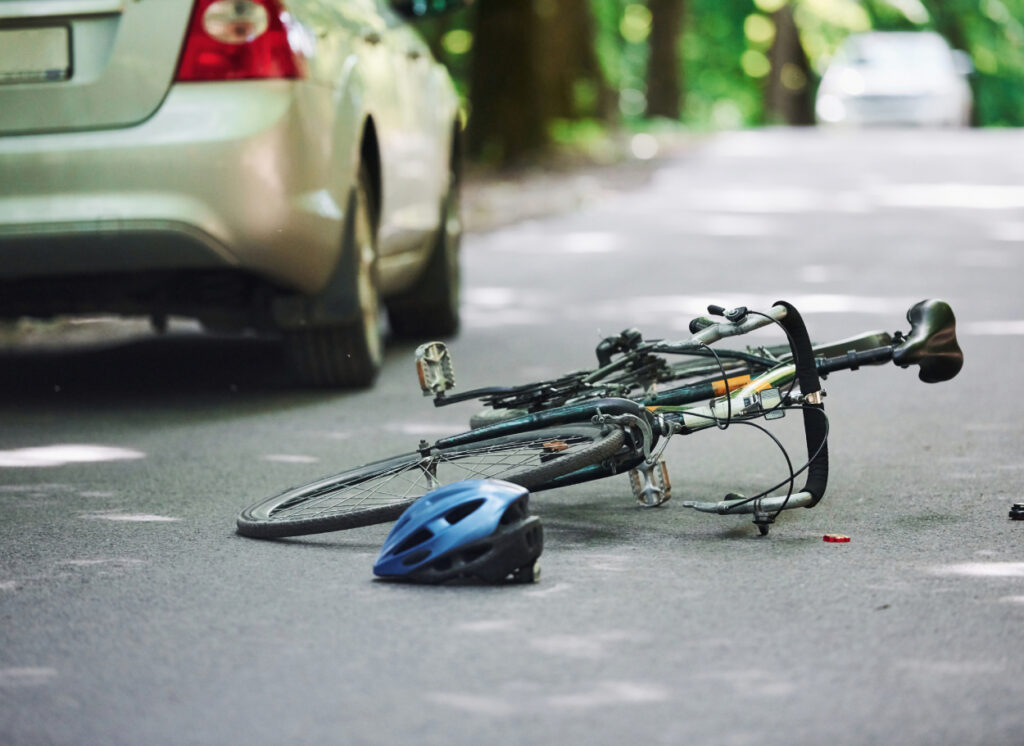
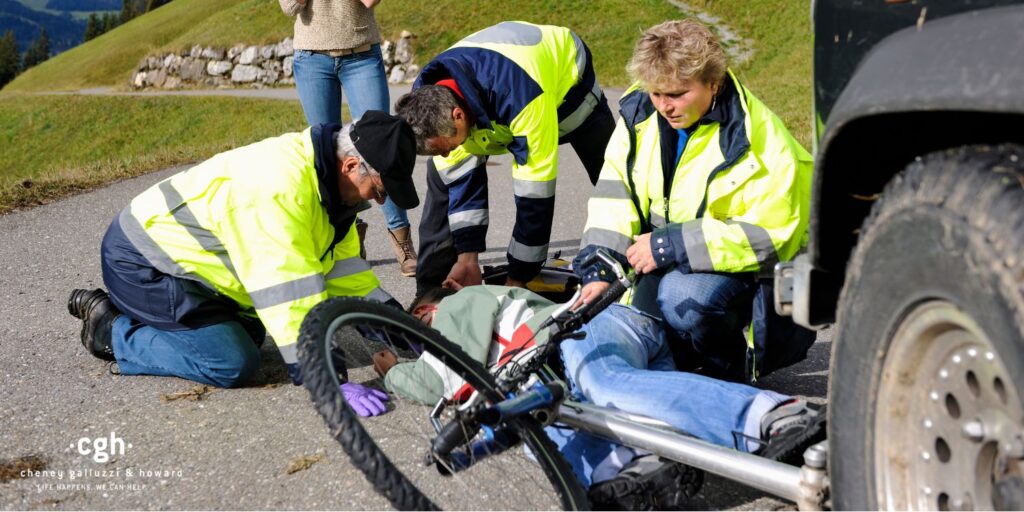

A bicycle crash case can look straightforward from the curb and still become difficult the moment the insurance file opens. A driver says the cyclist came out of nowhere. A police report contains a short summary that misses road design, line of sight, and impact dynamics. The rider is taken by ambulance, survives, and then spends months dealing with orthopedic care, missed work, and a bicycle that was not just transportation, but part of daily life. By the time counsel is hired, skid marks are gone, helmet damage has been discarded, and the intersection has returned to normal.
That is why trial-readiness matters so much in bicycle injury litigation. A case built only for settlement often leaves leverage on the table. A case prepared from day one as if a jury will eventually hear it tends to develop better facts, stronger damages proof, and sharper defenses to predictable attacks. Experienced lawyers know that many insurers do not value bicycle cases fairly until they see credible trial risk. They need to believe the plaintiff can present a coherent liability story, human damages, and disciplined expert testimony that will survive scrutiny.
A strong Bicycle Accident Lawyer understands something else too. https://griffinvpbu894.northstarcolumn.com/posts/how-a-bicycle-accident-lawyer-helps-after-a-rideshare-related-crash These cases are rarely just car wreck cases with a bike substituted for a vehicle. They involve visibility, speed differential, roadway positioning, equipment issues, local traffic laws, road markings, and cultural bias against cyclists. Jurors bring assumptions into the courtroom. Some think serious riders are reckless. Some assume helmets solve everything. Some have never ridden in traffic and do not appreciate how narrow the safety margin can be when a driver turns across a rider’s path or opens a door into a bike lane. Trial-ready strategy means anticipating all of that before the first deposition.
Why bicycle cases demand a different kind of preparation
Bicycle crashes often produce a mismatch between visible property damage and bodily injury. A sedan may show a dented fender, cracked mirror, or nothing more dramatic than a scuff. The cyclist, meanwhile, can suffer a clavicle fracture, pelvic injury, traumatic brain injury, dental damage, road rash requiring graft care, or a wrist injury that lingers for years. Defense counsel sometimes exploit that mismatch, suggesting that if the car was not badly damaged, the rider could not have been badly hurt.
That argument can be effective unless the plaintiff’s side explains force transfer in a way ordinary jurors understand. The cyclist’s body absorbs energy differently. There is no steel frame, airbag, or seat belt. A rider can strike a hood, windshield, A-pillar, pavement, curb, or parked car in a sequence that multiplies injury mechanisms. In practice, the best trial lawyers do not rely on abstract biomechanics. They reconstruct the event with concrete facts, body position, impact points, emergency records, and treating doctor testimony that traces injury to mechanism.
Bicycle cases also tend to involve fragmented evidence. Surveillance footage may exist, but only briefly. Ride computers and phone location data can be useful, yet they are not always preserved. Municipal roadway maintenance records may become relevant if lane markings were faded, debris was present, or signal timing created a trap condition. Witnesses often remember the rider’s clothing but not lane position, and police officers may not interview everyone at the scene. A trial-ready file is therefore built aggressively and early.
The first strategic choice, build for a jury, negotiate from strength
The lawyers who consistently resolve bicycle cases well are often the ones who act least impressed by early settlement theater. They do not posture for the sake of it. They simply make disciplined choices that tell the defense this is not a paper claim. Pleadings are specific. Preservation letters go out immediately. Photographs are gathered before weather and traffic erase the physical story. Medical records are curated, not dumped. The demand package, when it comes, reads like a preview of opening statement rather than a stack of bills and hopes.
A trial-ready posture affects almost every decision. It changes how the client is prepared to talk about roadway position, why they took the lane, whether they were using front and rear lights, and how they responded in the split second before impact. It changes how counsel addresses weak facts too. If the cyclist wore dark clothing at dusk, crossed within a changing signal, or rode slightly outside a marked bike lane to avoid debris, those details must be faced early and framed honestly. Juries usually punish evasion more than imperfection.
Preserving evidence before the story hardens against the rider
The earliest days after a crash often determine the ceiling of the case. Surveillance video is overwritten. Crash scene geometry changes. A damaged helmet gets tossed by a relative trying to tidy up after a traumatic event. A phone that recorded movement data gets replaced. The practical lawyer moves quickly, not because every case will need every piece of evidence, but because missing evidence narrows later options.
The most valuable early proof usually falls into a small set of categories:
- scene evidence, including photographs, measurements, traffic control devices, lane markings, sight lines, and road surface conditions
- digital evidence, such as dashcam footage, nearby surveillance, ride app data, GPS records, and phone location history
- physical evidence, including the bicycle, helmet, torn clothing, lights, pedals, and any vehicle parts transferred at impact
- witness evidence, especially statements taken before memories absorb the assumptions in the police report
- medical chronology, starting with EMS records and emergency triage descriptions, which often capture the mechanism of injury better than later summaries
Those categories may sound routine, but details matter. A bent wheel can suggest side impact or under-run, but only if photographed before a bike shop starts repairs. A helmet scrape pattern can corroborate a rotational fall. A bike lane’s width can matter if the defense later claims the rider should have stayed farther right. In one recurring scenario, a right-turn collision is initially described as the cyclist “striking the side of the vehicle.” That phrase can mislead. A proper reconstruction may show the driver overtook the rider, cut across the rider’s line, and created an unavoidable conflict. Without measurements and a clean visual timeline, the defense frame can become sticky.
Liability themes that tend to resonate with juries
Jurors do not decide cases by reading statutes alone. They absorb themes. The strongest bicycle cases usually present a simple safety rule the defendant violated. The rule must be understandable without legal jargon. “Look before turning across someone’s path” is better than a citation to a vehicle code subsection. “Do not open a door into moving traffic without checking” is better than a dense instruction read cold for the first time in the courtroom.
Common fact patterns lend themselves to strong themes. The right-hook collision, where a motorist passes a cyclist and immediately turns right across the cyclist’s lane, often becomes a timing and awareness case. The left-turn across path case usually centers on misjudging speed and failing to yield. Dooring cases focus on avoidable inattention. Rear-end bicycle strikes, especially in daylight or where a bike lane existed, can be devastating for the defense if visibility was good.
Still, experienced counsel do not oversimplify. Some cases involve comparative negligence questions that must be addressed directly. Was the rider using required lighting at night? Did the rider enter from a sidewalk into a crosswalk at speed? Did the rider make an unexpected lateral movement to avoid debris? A trial-ready Bicycle Accident Lawyer does not wait for the defense to turn these facts into character attacks. The better approach is to explain context and human decision-making. A cyclist who moved left to avoid a drainage grate or parked car was not being erratic. The rider was navigating a hazard that motorists may not even notice from inside a vehicle.
Dealing with the police report without becoming hostage to it
Police reports are helpful, but they are not the case. Officers arrive after impact, often under time pressure, with limited witness access and varying familiarity with cycling rules. Some reports are excellent. Some contain assumptions disguised as facts. A box checked for “driver failed to yield” can support settlement. A narrative that says “bicyclist struck vehicle” can hurt, even when it describes only the final point of contact and not who created the conflict.
Trial-ready strategy means respecting the report while building independent proof. That may include body camera footage, 911 audio, supplemental witness interviews, or the officer’s deposition where needed. It also means teaching the client to describe the event consistently and precisely. “I was in the bike lane heading straight with the green” is better than “I had the right of way,” which sounds conclusory. Courts and juries respond better to observed facts than to legal labels.
When the report is wrong in material ways, timing matters. Some jurisdictions allow clarification requests or supplemental submissions. In others, the better practice is simply to document the error and move on to stronger evidence. A loud campaign against the report can distract from the central story unless the report is likely to drive case value at the insurance stage.
Experts, when they help and when they merely inflate the file
Not every bicycle case needs a platoon of experts. Overlawyering can make a clean case look defensive. But underusing experts is just as risky when liability turns on timing, visibility, or mechanics. Trial-ready lawyers choose experts for a purpose, not for decoration.
An accident reconstructionist can be essential where vehicle speed, line of sight, and point of conflict are disputed. A human factors expert may add value where perception-reaction time, conspicuity, or driver expectation is central. Medical experts become critical in traumatic brain injury, chronic pain, future care, and work limitation claims. In some cases, a vocational or economic expert is justified, especially for younger riders with interrupted career trajectories.
The best expert work starts with discipline. Counsel should know what question needs answering before the expert is retained. A reconstruction that confirms what every witness already admits may add little. On the other hand, a well-grounded animation or time-distance analysis can change settlement posture overnight when it demonstrates that the driver had several seconds to see the rider before turning.
It is also worth remembering that bicycle equipment can become an expert issue. Defense counsel sometimes suggest brake failure, poor maintenance, or unsafe modifications. If the facts support it, an inspection by a qualified bicycle mechanic or engineer can neutralize those claims. In other cases, it may be wiser not to open unnecessary side issues if the collision dynamics already establish fault clearly.
Medical proof is not just about records, it is about narrative integrity
A jury does not award damages because a plaintiff has a thick chart. It awards damages when the medical evidence makes sense from beginning to end. That sounds obvious, but many cases lose force because treatment is poorly explained. There is a gap after the emergency room visit. Physical therapy stops because the rider cannot afford copays. A concussion goes underdiagnosed for weeks because the rider focuses first on a broken collarbone. The defense then argues that later symptoms are exaggerated or unrelated.
A trial-ready file closes those gaps with context. If treatment paused because health coverage lapsed, that fact needs support. If the client tried to return to work or riding too quickly and then worsened, that story should come from the client and the treating doctor. If there are preexisting issues, they should be framed with precision. A prior lower back complaint is not the same as a new cervical radiculopathy. A history of migraines does not erase a post-traumatic headache syndrome.
The treating physicians often matter more than hired experts in front of a jury. They are the ones who saw the patient repeatedly, adjusted care plans, noted functional limits, and observed setbacks. The lawyer’s job is to prepare the record so those doctors can testify clearly within their actual knowledge. Inflated medicine tends to backfire. Honest medicine, carefully explained, is usually more persuasive.
Damages in bicycle cases are often broader than insurers assume
Many adjusters initially value bicycle claims too narrowly. They focus on emergency treatment, surgical bills, and wage loss, while undervaluing lifestyle disruption. For serious riders, the inability to ride is not a minor inconvenience. It can affect commuting, fitness, stress management, social life, and identity. For urban riders who depend on bicycles as primary transportation, a crash can destabilize daily routines in practical, expensive ways. Ride-share costs climb. Commute times change. Independence shrinks.
Those losses must be presented carefully. A lawyer should avoid sounding sentimental, but should not sanitize the human impact either. Jurors understand what it means to lose confidence in traffic after being hit. They understand the humiliation of needing help to shower with road rash and broken ribs, or the frustration of gripping a handlebar months later and feeling numbness shoot down the arm. Good damages proof lives in details like those.
Property loss deserves attention too. Serious bicycles, components, and gear can be expensive. A carbon frame may be unsafe after a collision even if damage is not obvious. Wheels, helmets, shoes, computers, lights, and custom fittings add up quickly. These losses will rarely drive the case by themselves, but they reinforce that the rider was not out for a casual spin on a disposable machine. The defense should see a real life disrupted, not an abstract claimant.
Comparative negligence, the defense favorite
If there is one predictable feature of bicycle litigation, it is the effort to shift blame onto the rider. Sometimes the argument has merit. Often it is overplayed. Either way, the plaintiff’s side should expect the defense to explore visibility, lane position, speed, signaling, helmet use, and compliance with local cycling laws.
The most effective response is usually calm specificity. If the rider “took the lane,” why? Was the lane too narrow for safe side-by-side travel? Was there a parked-car door zone? Was debris forcing a merge? Jurors can accept those explanations when they are rooted in safety rather than entitlement. If lighting is an issue, what lights were used, what were ambient conditions, and from what distance should a reasonably attentive driver have seen the rider? If the cyclist was descending quickly, was that speed unsafe for conditions, or simply faster than a driver expected from a bicycle?
A useful preparation framework often includes these points:
- identify the bad facts early, before the defense turns them into surprises
- separate legal fault from cultural bias against cyclists
- use demonstratives to show roadway space, door zones, and sight lines
- let the client explain safety choices in ordinary language
- concede minor points when they are true, then return to the driver’s primary breach
That last point is underrated. Jurors often trust a plaintiff more when small imperfections are admitted. A rider may acknowledge not remembering whether a rear light was in flashing or steady mode. That honesty can strengthen credibility on the larger issue, that the driver looked, failed to perceive, and turned anyway.
Depositions, where the case either sharpens or drifts
Many bicycle cases are won or weakened in deposition, long before trial. The plaintiff’s deposition is especially important because riders often know more technical detail about cycling than jurors do. That can help, but it can also produce answers that sound argumentative or overly confident. Counsel should prepare the client to translate experience into plain language. A juror does not need a lecture on vehicular cycling doctrine. A juror needs to understand why the rider was where they were and why it was the safe place to be.
Driver depositions often reveal the real defense posture. Some defendants admit they never saw the rider until impact. Others insist the cyclist came “fast out of nowhere,” a phrase worth testing carefully against sight lines, distances, and their own speed. Corporate representative depositions can matter in delivery vehicle cases, municipal cases, and commercial fleet claims. Training, dispatch pressure, route expectations, and prior incidents may become relevant depending on the facts and the court’s rulings.
Witness depositions need equal care. A witness who says “the cyclist hit the car” may mean only that the rider contacted the side panel after the car crossed in front. That distinction is not wordplay. It goes to causation and fault. Good lawyers pin down sequence, vantage point, and what the witness actually saw before impact rather than accepting shorthand.
Settlement leverage comes from visible readiness, not empty threat
Insurers are accustomed to receiving demands that speak grandly about trial but reveal no real trial preparation. The defense notices the difference between bluff and readiness. Readiness is visible in organized medical proof, preserved physical evidence, retained experts where justified, polished deposition testimony, and a coherent damages theory supported by documents and witness accounts.
Timing also matters. Some cases should be mediated early if liability is strong and treatment is mature enough to value. Others should wait until key depositions or expert reports expose the weakness in the defense story. There is no universal formula. The practical question is always the same: what additional work is likely to change the number in a material way?
One common mistake is demanding mediation before the plaintiff can explain future limitations credibly. Another is waiting too long in a straightforward case where the defense has already signaled realistic authority. Trial-ready strategy is not the same as trial obsession. The goal is not to try every case. The goal is to make the option of trial real enough that settlement reflects it.
Presenting the rider as a person, not a symbol
Bicycle cases can become cultural very quickly. Some jurors identify with drivers and see cyclists as rule-benders. Others admire cycling and overidentify with the plaintiff. Neither impulse should control the presentation. A strong case resists symbolism. The plaintiff is not “the cyclist.” The plaintiff is a teacher who rode to work to avoid downtown parking, a nurse training for a charity ride, a retiree on a morning fitness route, a college student crossing a familiar corridor.
That level of specificity matters because it restores scale. The case becomes about one person doing something ordinary and lawful, then suffering harm because another road user made a preventable choice. The courtroom does not need a manifesto about multimodal transportation. It needs a credible story of attention, timing, safety rules, and consequences.
Sometimes the most effective testimony comes from people outside medicine. A spouse may describe the first weeks after surgery. A coworker may explain the plaintiff’s changed stamina. A riding partner may describe confidence loss on roads the plaintiff once navigated easily. These witnesses should be used sparingly and honestly. A few grounded details carry more force than a chorus of praise.
The courtroom advantage of simplicity
Trial-ready bicycle litigation is not about making the case seem more complex than it is. It is about doing the hard work outside the courtroom so the courtroom story can stay simple. Driver overtakes rider. Driver turns across rider’s path without enough space or awareness. Rider has nowhere safe to go. Body takes the hit. Recovery is long, expensive, and incomplete. That kind of clarity is earned through investigation, not rhetoric.
A Bicycle Accident Lawyer who prepares with that discipline usually changes the case long before verdict. Defense experts narrow their opinions. Mediation gets more serious. Adjusters reserve higher. The plaintiff feels steadier because they understand the path ahead. And if the case must be tried, the record is ready for the jury that matters most, the one hearing the facts for the first and only time.
Trial-readiness is therefore not a slogan. It is a method. It starts at the crash scene, continues through medical development and deposition strategy, and culminates in a presentation stripped of noise. In bicycle cases, where bias can creep in and evidence can disappear fast, that method often makes the difference between a compromised result and a fair one.
CGH Injury Lawyers
2701 Lawrence St Suite 201
Denver, CO 80205, United States
Phone: +1 720-669-8062
FAQ About Bicycle Accident Lawyer
Who is at fault if a car hits a bicycle?
Fault depends on the evidence and the traffic rules that applied to the collision. A driver, cyclist, or another party may share responsibility. Police reports, witness accounts, video, and the physical evidence can help establish what happened. A collision with a car does not automatically determine legal fault.
Can you sue someone for hitting you on a bike?
You may have a claim when another person's negligent conduct causes your injuries and losses. The available evidence, applicable deadlines, insurance coverage, and any shared fault affect your options. A lawyer can review the circumstances and explain whether an insurance claim or lawsuit is appropriate; compensation is not guaranteed.
What percentage does an injury lawyer usually take?
There is no single percentage that applies to every injury case. Many lawyers use a contingency fee based on a share of the recovery, with the terms stated in a written agreement. Ask how the percentage is calculated, whether it changes during litigation, and how case expenses are handled before signing.